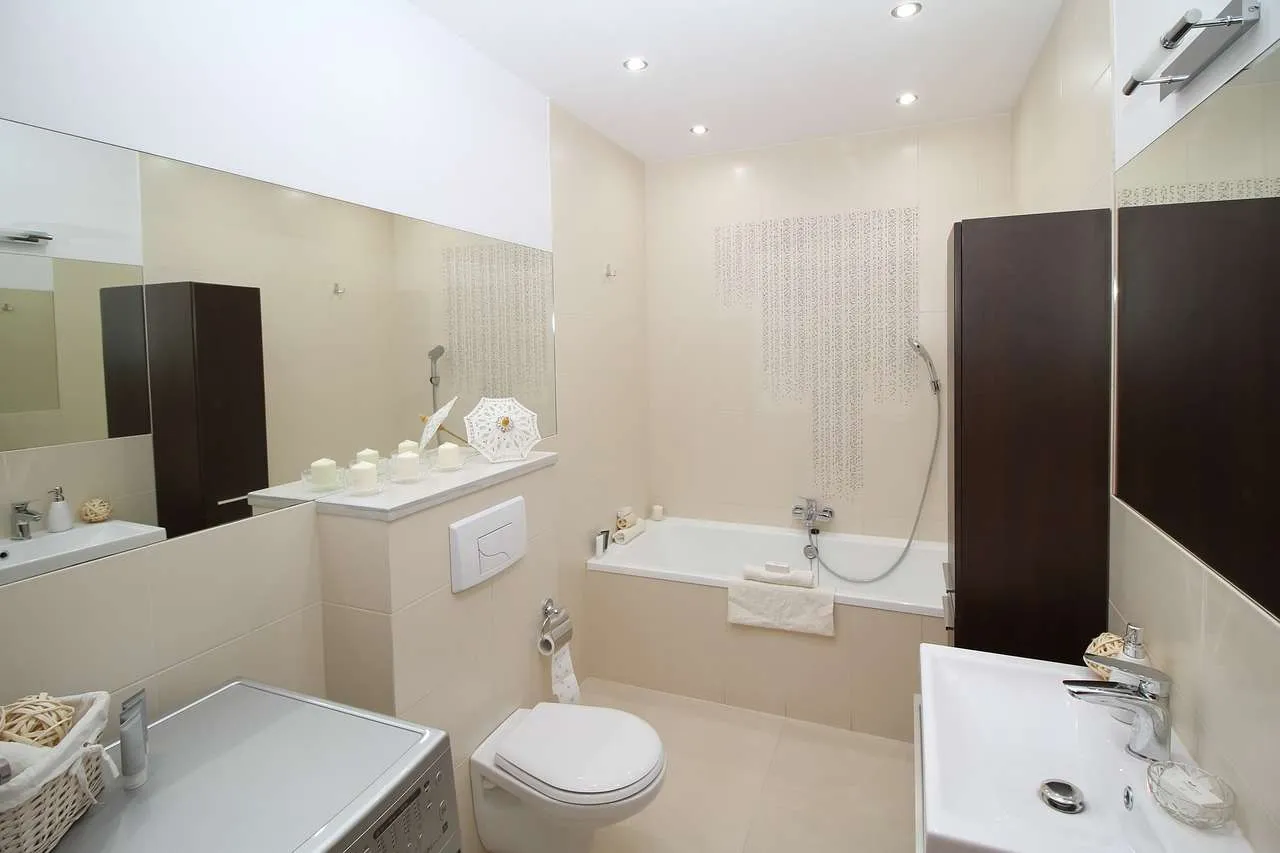
Bathroom Decor: Ideas to Elevate Your Space
Explore bathroom decor ideas to elevate your space with color, lighting, and materials.
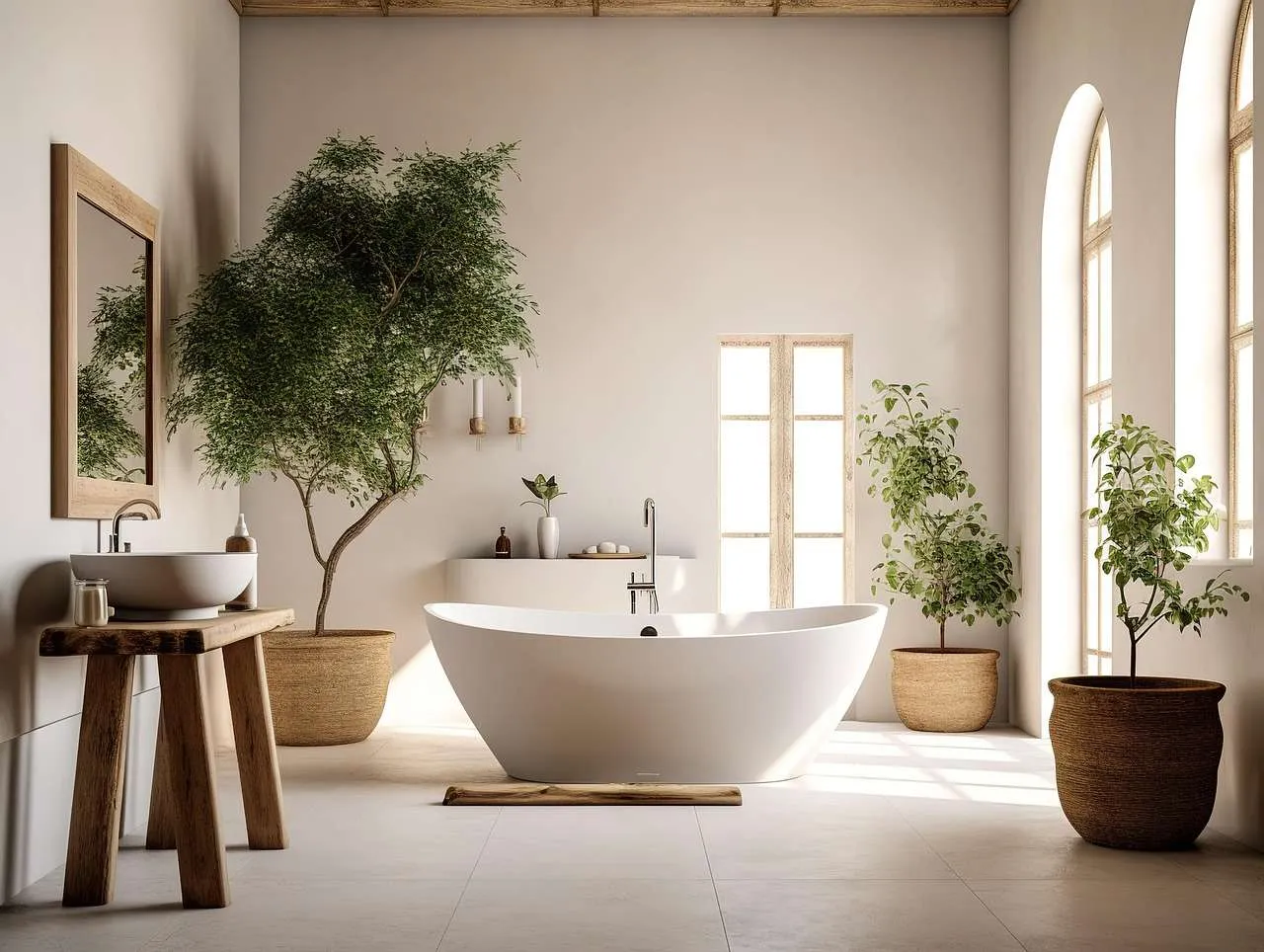
Bathroom decor is the design language of a room that blends aesthetics with practical needs. It encompasses color, textures, fixtures, storage, lighting, and accessories that create a cohesive vibe. A well executed bathroom decor plan can make daily routines calmer, more efficient, and visually appealing.
What bathroom decor really means
It is not just paint and towels. It is the deliberate selection of elements that reflect your style while supporting function. Good decor considers scale, lighting, accessibility, and maintenance, so the space feels comfortable and resilient over time.
Popular bathroom decor styles
Modern and Minimalist
Clean lines, neutral palettes, matte finishes, and concealed storage define modern bathrooms. Materials like large format tiles, glass shower enclosures, and simple hardware reduce visual clutter.
Classic and Timeless
Soft off-whites, subway tiles, polished chrome or brass accents, and elegant vanity silhouettes create a timeless feel that ages well with trends.
Spa-like Retreat
Muted greens and earth tones, natural textures, and generous damp environments with soft lighting transform the space into a calming escape with a focus on relaxation.
Coastal and Rustic Farmhouse
Bright, airy palettes, wood textures, and light woven textiles paired with durable finishes evoke comfort and a welcoming atmosphere that resists daily wear.
Color schemes and materials
Color drives mood. Light neutrals with an accent hue work well in small baths, while deeper tones can add drama in larger spaces. Materials should balance durability and upkeep. Porcelain and ceramic tiles are common on floors and walls; glass, stone, and warm wood vanities add tactile interest. When selecting materials, consider how they age with humidity and how easy they are to clean.
Key elements of bathroom decor
Lighting and mood
Layered lighting is essential: ambient light for overall visibility, task lighting around mirrors, and accent lighting to highlight textures or architectural features. Dimmable fixtures and color temperature around 2700K to 3000K create a welcoming atmosphere.
Mirrors and reflections
Mirrors enlarge the space and improve task performance. Consider framed versus frameless options, or a backlit vanity mirror for soft, even light without glare.
Fixtures and hardware finishes
Finish consistency across faucets, towel bars, and cabinet hardware unifies the look. Popular finishes include brushed nickel, matte black, and polished brass, chosen to contrast or blend with vanity tones.
Towels, textiles, and accessories
Textiles add warmth and tactile contrast. Choose towels in complementary hues, add a woven basket for storage, and select accessories that echo the color story and material palette.
Tile and wall treatments
Tile patterns can set the tone from geometric to organic. Consider a feature wall, a bold patterned tile for a shower niche, or a seamless large tile for a clean, cohesive look. Grout color can either recede or stand out depending on the style.
Storage and organization
Efficient storage reduces clutter: vertically oriented cabinets, recessed niches in showers, open shelving for daily essentials, and vanity drawers with dividers keep supplies accessible yet neat.
Budgeting and planning
Start with a realistic budget and a prioritized list of must-haves vs nice-to-haves. Measure the space, draft a layout, and track product leads. If you plan to overhaul plumbing or major tiling, consult a professional early to avoid surprises. For cosmetic updates, DIY-friendly options like new fixtures, paint, and textiles can yield a fast return while preserving quality.
Material comparison table
| Material | Pros | Cons | Best Use | Maintenance |
| Ceramic tile | Affordable, durable, versatile patterns | Grout may stain; colder feel | Walls and floors in many budgets | Low to moderate |
| Porcelain tile | High density, stain resistant, wide range | Heavier installation; can be slippery when polished | Floors, wet areas with high traffic | Low |
| Natural stone | Timeless beauty, unique veining | Higher cost; porosity requires sealing | Feature walls, shower surrounds | Moderate to high |
| Glass | Bright, airy feel; non-porous | Shows water spots; installation precision required | Shower enclosures, backsplashes | Low |
| Vinyl | Soft underfoot; budget friendly; resilient | Less premium look; may fade | Flooring in small baths or rentals | Low |
DIY vs professional installation
Simple upgrades such as hardware, lighting, or accessories can be tackled by confident DIYers. Complex tiling, waterproofing, or plumbing changes benefit from licensed professionals to ensure safety, code compliance, and long-term durability. Request references, confirm warranties, and discuss timeline and permits before starting.
Maintenance and care
Regular cleaning, proper ventilation, and prompt action on spills protect finishes. Use nonabrasive cleaners on polished surfaces, reseal porous stone when needed, and schedule a periodic inspection of seals and grout to prevent water intrusion and mold growth. A consistent cleaning routine keeps your bathroom decor looking fresh longer.
Conclusion and takeaway
By combining style with practical considerations—lighting, color, materials, and storage—you create a bathroom decor that is both beautiful and durable. Whether you prefer a modern, spa-like retreat or a classic, timeless look, thoughtful decor choices elevate daily routines and boost home value.
Summary: This guide outlines how to plan, style, and implement bathroom decor with confidence. Start by defining a cohesive style, select materials that balance aesthetics and maintenance, optimize lighting and storage, and budget wisely. With a clear plan and attention to detail, your bathroom can be both inviting and enduring.